Agriculture
Written By Alexis Rosen
Agriculture is an area of important historical study as it teaches us what once was valued enough to continue teaching throughout generations. Illuminating what plant types were easiest to grow and maintain, the different difficulty levels of animal husbandry. General maintenance around the farm, developing health in both animals and crops. Studying farming gives us the knowledge to review, analyze, compare, and develop individual systems for unique plants and farms alike. Whether it's multiple acres of farm land or a little box of herbs in your windowsill, the trial and error used to get to where we are presently has made a great impact on our day to day and time should be taken to acknowledge and be grateful for it.
Alternatively, studying agriculture helps us learn how to take care of our people when there is a large population growth. This was a need in England in the 1500s to the 1800s. As the monarchy continued to change, the population grew rapidly and a demand for farm produce increased. To make more money, land began to be bought and privatized around this time. With the privatization, farm land began to get more difficult to obtain. The solution to this issue was to make more intense regulations for the separation of farms, how farmers and farm hands lived, and the wages of farm hands. Taxation had begun increasing during this time as well, so the capital had more wealth to play with. This meant the kingdom was buying land and renting it or selling to farmers a hiked up price as there was more demand in general for all things made agriculturally, be it food, milk, clothing, or even tools. Everyone needs farms to not only survive, but thrive and sustain themselves to make money for themselves. Agriculture is one of the cornerstones for a society to thrive.
In the 1500’s to 1800’s soil knowledge started to gain popularity. PH, fertilizer, chemical compounds, what plants needed what to grow stronger, which plants distributed chemicals into the soil as they grew, and how long soil needed to rest before it could be used again. Farmers had to have a more even distribution of land to ensure that all farmers could yield more equal amounts of money, which left the land looking divided oddly.
All of the information on agriculture used today can be found in books, pamphlets, and letters. Understanding how we got to this point and how farmers have to have a great deal of knowledge spread throughout various topics can lead us towards a future where we can live in a more conscientious way of how we get food to our tables.
The importance of understanding the practice of agriculture can be broken into a few subset groups, but primarily farming and animal husbandry.
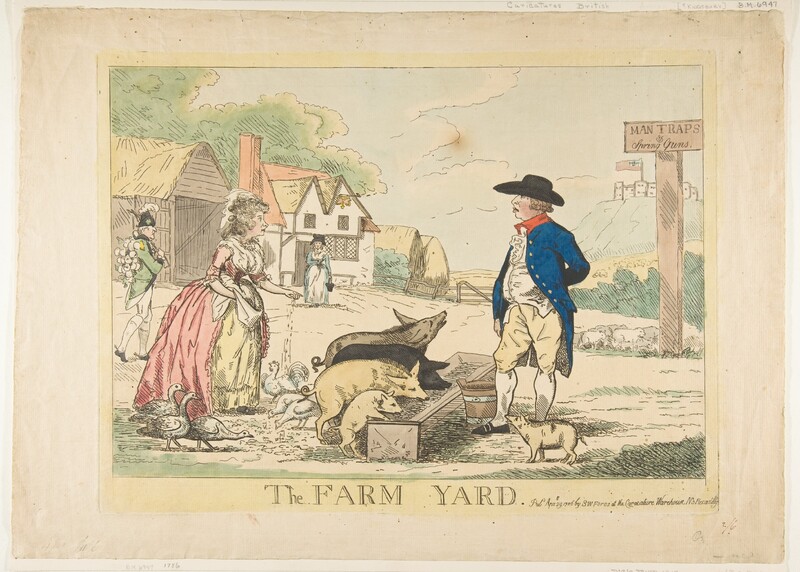
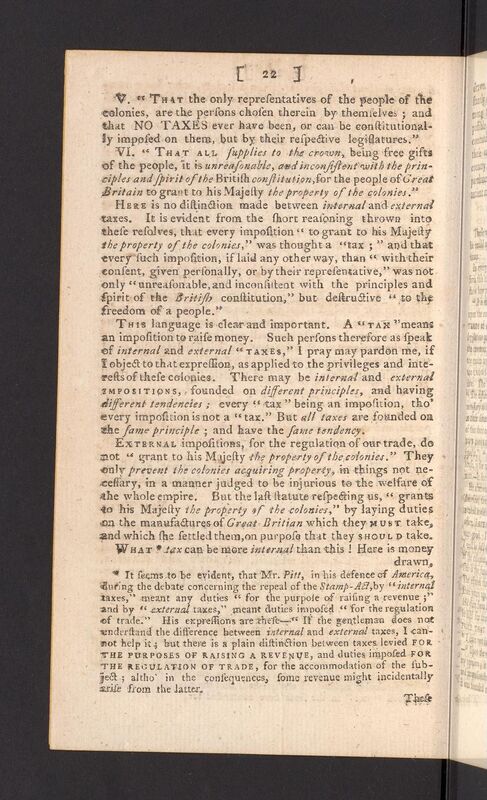
Farming
Farming is the practice of cultivating land to grow and produce the best produce available within your constraints. Often grown in the 1500's to 1800's of England were crops such as wheat, barley, flax, potatoes, carrots, and other root vegetables.
Eventually soil testing began and figured out that certain types or quality of soils yielded worse or better crops. With the population climbing, farm land was divided to give all farms a more equal amount of poor and good quality soil to equal out profit opportunities. While testing soil quality they found that certain crops would drain or replenish the chemicals in the soil needed to yield better crops. This improved how farming is practiced now as we implement crop rotation and soil health to make sure our crops are as strong and as tasty as possible. Included in this was the division of land in a grid or puzzle sort of fashion.
Animal Husbandry
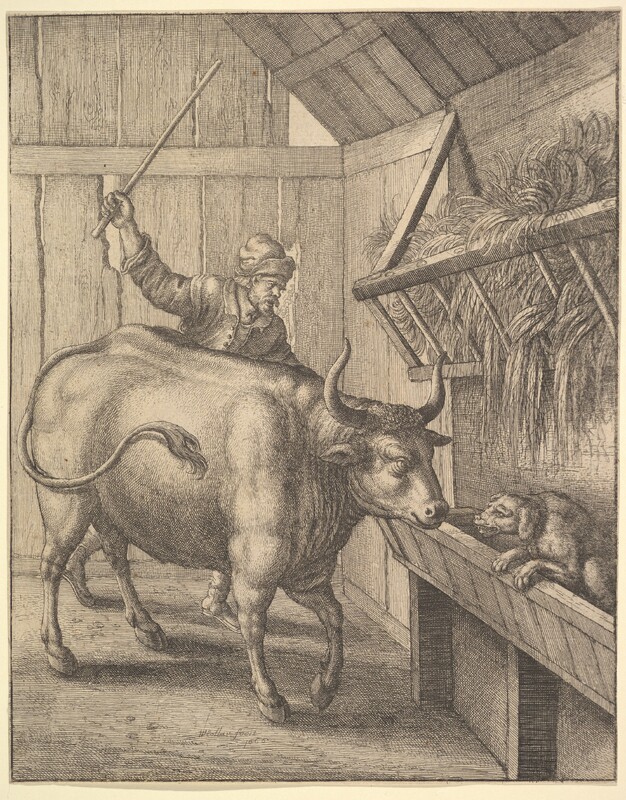
Animal husbandry is the practice of caring for animals. This was commonly used on livestock, such as pigs and cows, and also the care of farm dogs and horses. We learned a lot about the behaviour of animals, like how we have many protections for piglets implemented as we watched momma pigs crush their young to death or cannibalize each other, or how we know to put down horses instead of trying to heal them from most injuries as they simply almost never recover. Learning how to raise farm animals well became a matter of how much profit was wanted off of the animals. Raising animals well ensured a good quality of meat, good offspring, and if they were to be sold, a good turn of profit. A lack of the time, effort, and care in a farm animal always shows.
A horse's use on a farm was for transporting goods and for making quick work of travel. Dairy cows were good for their production of dairy, and sheep for their wool to make the cotton clothes everyone wore. Farm dogs are for protection, to ensure that the whole farm, animals, crops, and family, were all safe consistently. Much animal husbandry practice has been refined into two separate groups. Groups that want to put the care and effort into raising animals well and sell less for a higher price, the other cramming too many animals in too small of a space and barley feeding them, preferring the profit of quantity.
Bibliography
Curtler, William Henry Ricketts. A Short History of English Agriculture. Clarendon Press, 1909. https://archive.org/details/shorthistoryofen00curtuoft/page/n5/mode/2up.
Overton, Mark. Agricultural Revolution in England: The Transformation of the Agrarian Economy, 1500-1850. Cambridge University Press, 1996.
Dickinson, John. Letters from a Farmer in Pennsylvania, to the Inhabitants of the British Colonies. Boston, Edes & Gill, 1768. https://www.jstor.org/stable/community.34337863.
Wilson, John. Notes on Northern Farms and Farming. Pamphlets. Chronicle Office, 1864.https://www.jstor.org/stable/60227194.
Wolff, Alice C, and Antonio Ditommaso. "To Know Diverse Manner of Weeds: The Development of Weed Identification Manuals in Early Modern England and Their Influence on North American Guides.&rdquo Weed Technology 39, no. 1 (2025): 1-8. https://doi.org/10.1017/wet.2025.10033.