Recreation
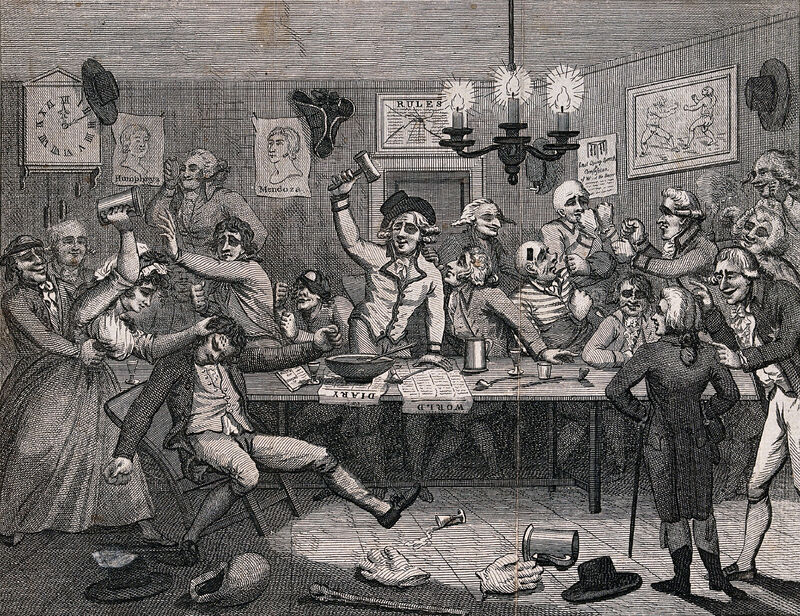
Amongst the routines and daily activities of English citizens in the Early Modern period emerged a new style of entertainment and recreation practices, many of which reprising from traditions dating back to much older periods that would come to serve as the foundation for recreation in contemporary society. The presence of alehouses and taverns played a far greater role in early modern England than their modern stereotypes suggest. Rather than being merely spaces of disorder and indulgence, they functioned as vital centers of community life, economic exchange, and social interaction. This exhibition explores how these institutions shaped everyday life and left a lasting legacy that continues in modern pub culture.
The early modern English period would prove to be crucial in the development of recreational sports such as boxing into their more modern-day equivalent. An enjoyable form of recreation for the people of early modern England was gambling. The commoners were known to play fast and easy games amongst friends while the nobility saw gambling as a test of character between each other, that character being their wealth and property. Playgoing was a significant part of the recreation scene in early modern England. Heavily sponsored by the nobility, playwriting and playgoing experienced a boom during the early modern period with a new wave of “modern” playwrights such as William Shakespeare, who changed the scene of plays with his various popular works, including Hamlet, which reveals much about the social, economic and political discussions present during its publication. As with anything during early modern England, the reformation would play a part in how recreation was in early modern England. If these topics have interested you, please feel free to continue reading further for a more detailed look at these topics.
Alehouses, Taverns and Pubs
Written by K.J.
Contemporary media often portrays taverns and alehouses as chaotic spaces denied any excessive drinking and disorder. While these depictions capture one aspect of their atmosphere, they fail to recognize the broader and more significant role these establishments played in early modern England. During the sixteenth and seventeenth centuries, alehouses were not merely places of indulgence but central institutions that shaped social, economic, and political life. By examining primary and secondary sources, including tavern tokens and usual artwork, it becomes clear that alehouses functioned as essential hubs of community life, leaving a legacy that continues in modern pub culture.
Alehouses were among the most widespread and socially influential institutions in early modern England. They served a diverse population that included labourers, travellers, artisans, and merchants. Within these spaces, individuals gathered not only to drink but also to socialize, exchange news, conduct business, and engage in political discussion. In a time before modern communication systems, alehouses acted as an informal centre of information and interaction. Their accessibility made them particularly important, as they were not restricted to the elite but were open to a wide range of social classes. This inclusivity contributed to theory prominence and ensured their lasting presence in English culture.
Economic Impact
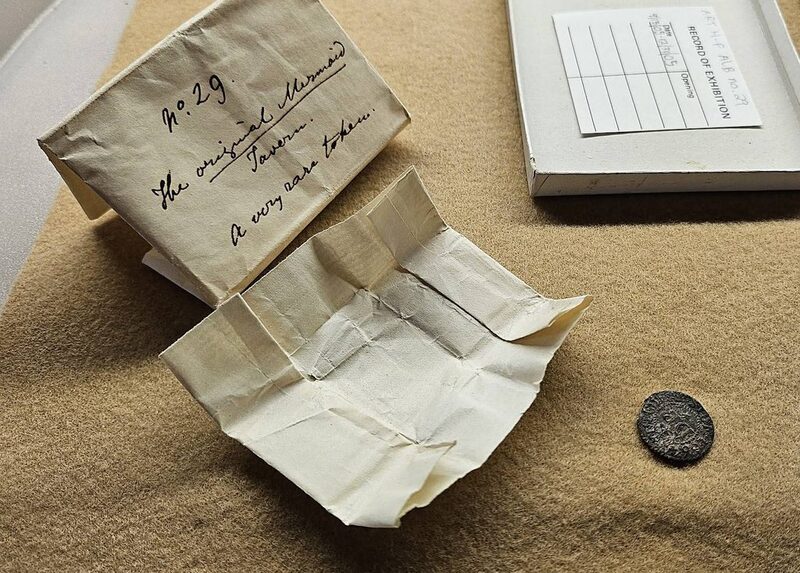
A key piece of evidence that highlights the economic function of an alehouse is the use of tavern tokens, as discussed in Leah Hampton’s “Drinking in Shakespeare: Early Modern Tavern Tokens.” These small metal objects were issued by tavern owners and local merchants as substitutes for official currency during periods of coin shortages. Tokens allowed customers to purchase drinks and food on credit, functioning as a localized economic system that supported everyday transactions. The existence of such tokens demonstrates that alehouses were not disorderly and unregulated environments, but rather structured spaces that played an important role in sustaining local economies. The simple imagery engraved in token—such as drinking vessels or tavern signs—also made that accessible in a society where literacy was not universal, further reinforcing their practicality and includes nature.
Cultural and Political Impact
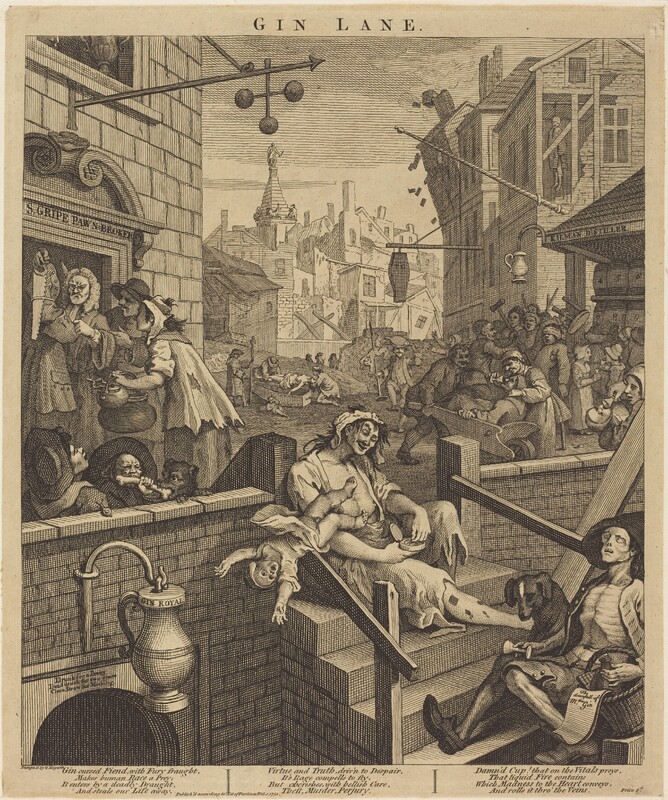
While tavern tokens reveal the economic and social organization of alehouses, visual sources provide insight into the broader cultural and political context. William Hogarth’s Gin Lane (1751) offers a striking depiction of the consequences of excessive alcohol consumption during the eighteen-century Gin Craze. The image portrays a community decline, emphasizing themes of poverty, neglect, and social disorder. However, beyond its dramatic imagery, Gin Lane reflects widespread anxieties about public health, morality and the role of government in regulating behaviour. The introduction of laws to control gin consumption illustrates how taverns and alehouses become sites of political concern, highlighting their significance within society, rather than existing on the margins, these establishments were deeply connected to issues of governance and social stability.
Origin
The origins of alehouses further emphasizes their long standing importance. As historian Ben Johnson explains, their development can be traced back to Roman tabernae, roadside establishments that provided food, drink and lodging. Over time these evolved into the public houses and alehouses of England, maintaining their title as central gathering places. This historical continuity is evident in the modern “Great British Pub,” which continues to function as a space for social interaction and community building. The endurance of these institutions demonstrates that their significance extends far beyond the early modern period.
Despite their many contributions, alehouses have often been misrepresented as purely disorderly environments. While issues such as drunkenness and crime did exist, focusing solely on these aspects overlooks their broader role in society. Alehouse facilitated economic exchange through systems like tavern tokens, fostered social connections among diverse groups, and served as a venue for political discussion and regulation. They were spaces where everyday life unfolded, reflecting both the opportunities and challenges of the time.
Today, the legacy of early modern alehouses can still be seen in contemporary pub culture. Modern pubs continue to serve as places of gathering, conversation, and community, much like their historical counterparts. By examining artifacts such as tavern tokens and visual sources like Gin Lane, we gain a deeper understanding of how these institutions shape the lives of individuals and communities. Ultimately, alehouses were far more than a site of indulgence; they were foundational to the social and economic fabric of early modern England, leaving a lasting impact that continues to influence society today.
Gambling
During the early modern period, a form of recreation that the English people were participating in was games of chance otherwise known as gambling. Now this is not to say that they shared the same sentiments on it, mainly the differing sentiments between the lower commoner class and higher noble class. Those differences would continue from where they gambled to what they would play. Unfortunately, what social class those people were apart of at that time also determined how much the law would come done on them for gambling.
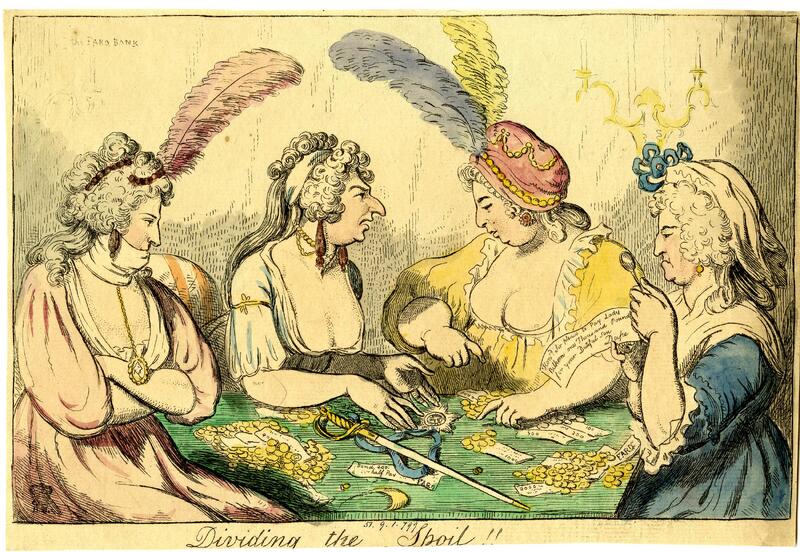
Views
In early modern English society, what your viewpoint on gambling was shaped mainly by your social class and faith in the church. The Church would openly condemn gambling, preaching that it was sinful while trying to dissuade the nobles; warning them that they could lose their wealth, property, and power if they continued to gamble. The church would go as far as openly disliking Queen Elizabeths Lottery system even if it provided additional funds for the state. Commoners, on the other hand, would often treat gambling as a chance to improve their social status. Noblemen would embrace gambling as a way to prove their character by placing high-stakes bets to show off their confidence and control. These noblemen would dislike when commoners were gambling seeing it as crude and dishonorable when played by them. For noblewomen, gambling offered them a rare chance to participate in the same elite social life as their husbands and it gave them some level of influence.
Games
The early modern English people engaged in a wide array of gambling games that both reflected their social class and environment. Nobles preferred longer, more strategy-based games such as Primero and Faro. For example, in Faro, a banker dealt cards while the players would bet on which would appear, to make it harder there are strict procedures that govern the player payouts and their turns. To the nobles, these patience and attention required games helped reinforce the idea that they were more disciplined and intelligent. This led them to gamble in more restrictive places such as their private estates or Gentlemen’s clubs. In Contrast, commoners preferred quicker, more simple games that relied heavily on chance like Hazard. Hazard was played by players taking turns rolling two dice where the “caster” chose a main number and would then either win or lose depending on the roll and the set of number combinations. Commoners would gamble anywhere and everywhere, preferring lively social atmospheres such as taverns, markets or at festivals as it encouraged quick games and social interaction.

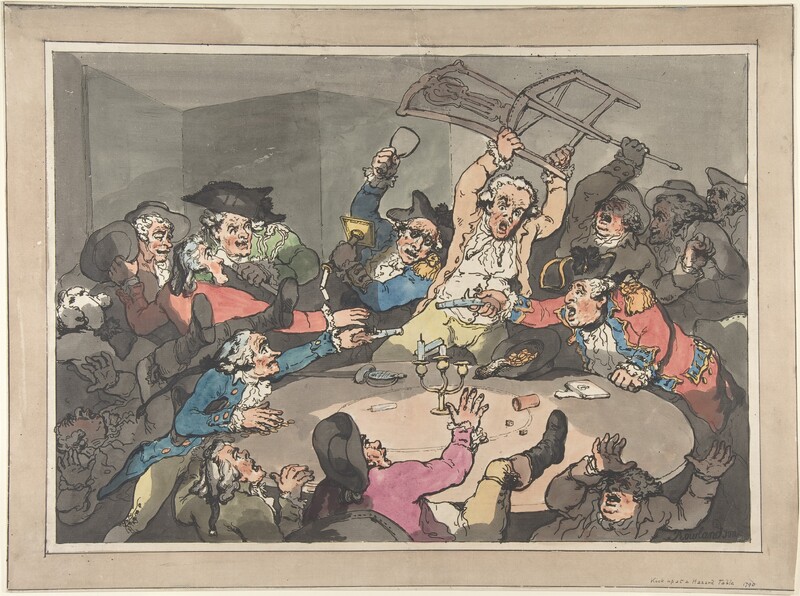
Law & Order
The authorities of early modern England saw gambling as both a legal concern as well as a moral concern but prior to the outlawing of gambling they would enforce punishments for those caught cheating at these games. Authorities would fine, jail or publicly shame those for using any “deceptive” tactics while gambling. These punishments were disproportionately handed out across social classes, with nobles only being punished by these laws if they hurt another noble. The government would pass the Unlawful Games Act of 1541, criminalizing the act of gambling, but the authorities would largely enforce it against commoners. On the other hand, authorities would only settle disputes between nobles, acting as a mediator between both parties, with the act only being enforced if the authorities believed the other noble caused enough harm to the other by gambling. If commoners were ever found by authorities to have not followed the act, they would be fined, have their property confiscated, or they would be imprisoned. Meanwhile if the act was ever enforced on a noble, it was in the way of a small fine.
Gambling in early modern England has provided a look at how the divisions between class existed and how that led people to interact in different ways.
Bibliography
Cotton, Charles. The Compleat Gamester. London, 1674. Internet Archive. Accessed April 2026. https://archive.org/details/bim_early-english-books-1641-1700_the-compleat-gamester-_cotton-charles_1674.
England & Wales. The Unlawful Games Act. London, 1541. vLex United Kingdom. https://vlex.co.uk/vid/unlawful-games-act-1541-808126529.
Harrington, John. A Treatise on Play. 1597. The Ex-Classics Web Site. Accessed April 2026. https://www.exclassics.com/nugae/nugae0008.htm.
Huggins, Mike. "Associativity, Gambling and the Rise of Protomodern British Sport 1660-1800." Journal of Sport History 47, no. 1 (2020): 1-17. https://doi.org/10.5406/jsporthistory.47.1.0001.
Seymour, Richard. The Court Gamester. London, 1719. Internet Archive. Accessed April 2026. https://archive.org/details/bim_eighteenth-century_the-court-gamester-or-_seymour-richard-esq_1718/mode/2up.
Walker, Gilbert. A Manifest Detection of the most Vyle and Detestable Use of Dice Play. The Percy Society, 1552. HathiTrust https://babel.hathitrust.org/cgi/pt?id=hvd.32044019775386&seq=1.
Theatre, Playgoing and the Impact of Shakespeare
Written by V.C.
Playgoing was a significant part of the recreation scene in early modern England. Heavily sponsored by the nobility, playwriting and playgoing experienced a boom during the early modern period with the shift from the corpus christi cycle of plays into a new wave of “modern” playwrights such as William Shakespeare, who changed the scene of plays with his various popular works.
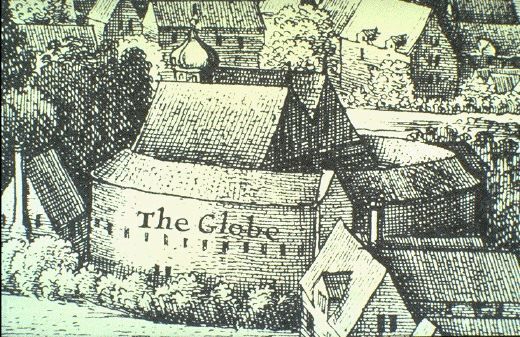
Political, social and economic issues were preserved by popular plays in this time period. The various works of Shakespeare including Hamlet, Othello, Romeo and Juliet and King Lear famously obtain social and cultural relevance even within the 21st century. For example, women had an absent role in Shakespeare and various other plays until the 1660’s, when it first became legal for women to participate in plays as actresses. Due to the popularity of Shakespeare's work it gradually became common practice for women to act in his plays, in both female and male roles. Interestingly enough, many women throughout the late 18th century onward have played the leading role of Hamlet, reinforcing the social and political impact of Shakespeare’s works.
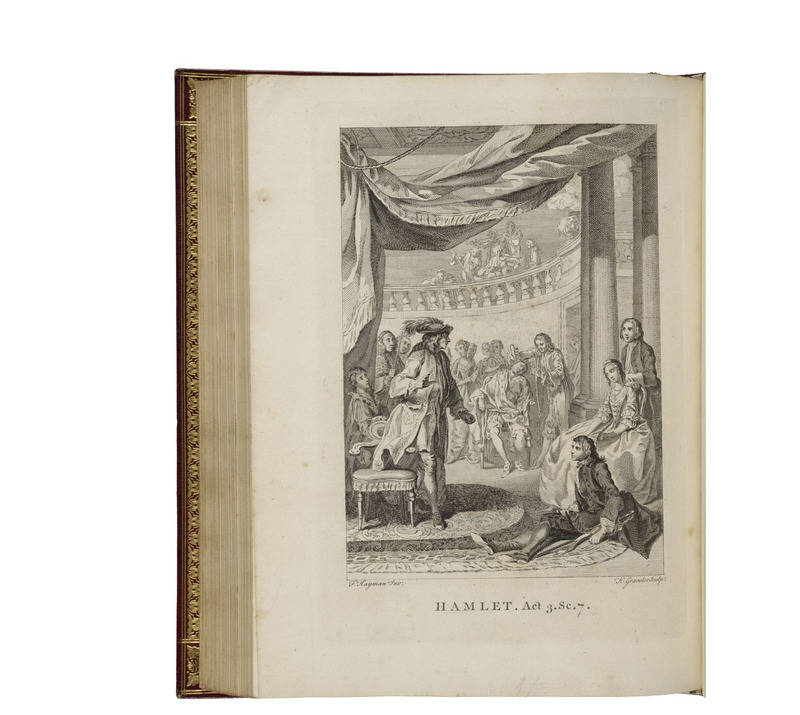
While the image shown is from a later edition of Hamlet, I discovered a source over a hundred years older, printed in 1603, this source was one of the first editions of Hamlet that was ever printed, and provides insight to the conditions and expectations of early modern English society. Unlike a handwritten manuscript, it was produced using a printing press and sold commercially. This type of source is considered a primary source from the early modern period because it was published close to the time when the play was originally written and performed. As a printed play script, it represents both a literary work and a document connected to the theatrical culture of the early seventeenth century. One feature of the 1603 version is that it is shorter and somewhat different from later versions of the play.
Famous lines and scenes appear in different forms, which suggests the text may have been reconstructed from memory or based on a performance script rather than Shakespeare’s final version. This makes the source interesting because it shows how plays could change between performance and publication. An older edition such as this may provide insight into how the play was originally performed, with shorter dialogue and faster pacing meant for live audiences. This highlights how plays in early modern England were flexible works that could change depending on performance needs and audience expectations. The intended audience included readers who wanted to experience the play outside the theatre, as well as actors and theatre companies who might use the script for performances. Literacy was increasing in England during this period so printed plays were becoming more popular among educated members of the public (primarily nobility).
Shakespeare originally wrote Hamlet as a theatrical play meant to be performed on stage. Plays were created primarily for entertainment but also explored serious themes such as power, revenge, morality, and madness. The publication of the 1603 edition was likely motivated by commercial reasons, since publishers could profit by printing popular plays that audiences already knew from performances. This source was produced in early seventeenth century England during the reign of Queen Elizabeth I and shortly after under King James I. England was experiencing a flourishing of theatre and literature, especially in London. Public playhouses such as the Globe Theatre were popular gathering places where audiences watched performances. At the same time, England was going through political changes, including the transition from the Tudor dynasty to the Stuart monarchy in 1603. The source reflects the cultural and social attitudes of early modern England. Themes of monarchy, revenge, gender roles, and social hierarchy reflect the beliefs of the time. Because it was written for entertainment and influenced by audience expectations, it may emphasize dramatic storytelling rather than balanced perspectives. This source shows that early seventeenth century England had a thriving theatrical culture and growing print industry. The fact that a play like Hamlet was printed and sold shows that there was strong demand for literature and entertainment among literate audiences. It also reflects the intellectual interests of the time, including philosophy, politics, and human psychology, giving insight into cultural life in London during Shakespeare’s era.
Theatre in early modern England was a vibrant and influential part of everyday life, reflecting the political, social, and cultural realities of the time. Supported by both the nobility and the growing public, playgoing became a popular form of entertainment that also encouraged audiences to engage with complex themes such as power, identity, and morality. The evolution from religious plays to the works of playwrights like William Shakespeare demonstrates how theatre adapted to changing audiences and ideas. As well as being a source of recreation, theatre in Early modern England was also a powerful cultural force that helped shape and preserve the values and concerns of English society.
Bibliography
Bennetts, Leslie. “WHY NOT a WOMAN as HAMLET?” The New York Times, November 28, 1982. https://www.nytimes.com/1982/11/28/theater/why-not-a-woman-as-hamlet.html.
“Hamlet (Quarto 1, 1603)." Internet Shakespeare Editions. Accessed April 2026, https://internetshakespeare.uvic.ca/doc/Ham_Q1/complete/index.html.
Leinwand, Theodore B. Theatre, Finance and Society in Early Modern England. Cambridge University Press, 1999.
“The Shakespeare First Folio." Folger Shakespeare Library. Accessed April 2026, https://www.folger.edu/explore/shakespeare-in-print/first-folio/.
Smith, Simon, and Emma Whipday. Playing and Playgoing in Early Modern England: Actor, Audience and Performance. Cambridge University Press, 2022.
The Impacts of Religious Reform on Recreation
Religious reform in early modern England reshaped the lives of English citizens, including how they spent their leisure time. Soon after the Reformation struck England, members of Puritan groups began to aggressively advocate for reforming the recreational activities the Church permitted after Sunday’s formal church service. Some Puritans believed that the traditional activities the Church permitted were sinful and detracted from the time people set aside for worship. Puritans suggested that authorities should enforce limitations on activities following church services.
The Monarchy recognized the Puritans' abrupt intervention and stepped in right away. The Monarch felt the need to reinstate their control over religious and recreational matters. In response, King James I published The Book of Sports, later reissued by Charles I in 1633, to define which activities the Monarch deemed appropriate to follow church service. The Book of Sports brought light to the dispute between royal authority and religious reform. The document aimed to balance the relationship between social life and religious worship and to curb Puritan authority.
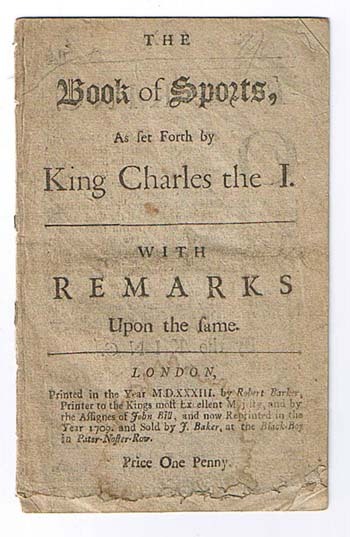
The Book of Sports
The Book of Sports serves as a symbol of the relationship among religion, politics, and recreation in early modern England. King James I first wrote the declaration in 1618, and King Charles I later reissued it in 1633. The declaration specified the activities the monarchy permitted after Sunday services and on other religious holidays. The monarchy permitted activities that included archery, dancing, leaping, vaulting, and other English-specific events. The Kings also enforced the prohibition on unlawful activities, such as bear-baiting, which they did not approve of or consider appropriate.
The Book of Sports acts as a counterargument to the Puritans. To the Puritans, recreation following church took away from their religious worship and encouraged sinful behavior. The Monarch, however, believed harmless recreation benefited citizens and encouraged royal loyalty. The King mandated that the church read the declaration aloud in churches to reinforce royal authority over religion and recreation.
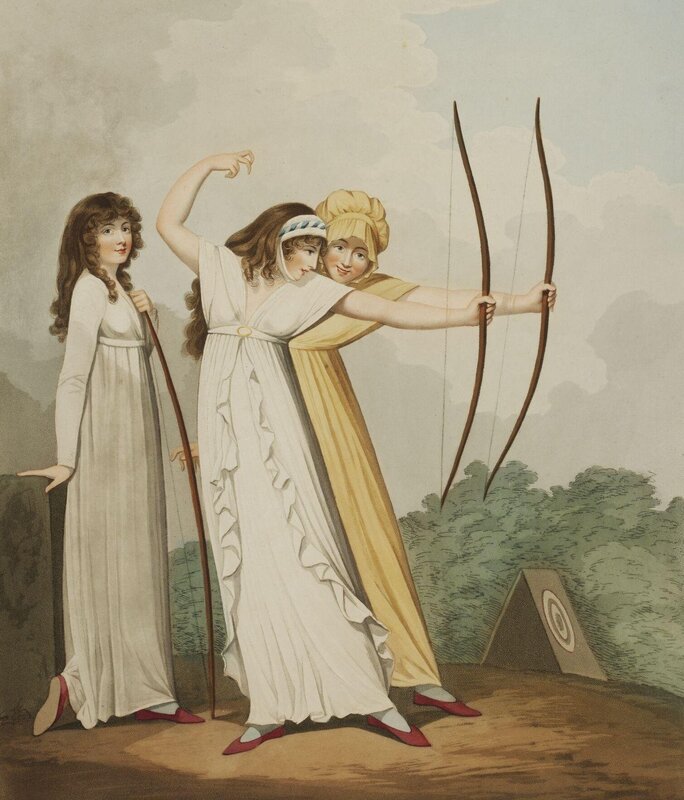
Archery
Archery has held significance in English culture for many decades, even before the early modern period; therefore, it was mentioned in The Book of Sports. Historians link archery to the military and national defense, and leaders encouraged archery for military readiness. People also regarded archery as a gentleman's sport because of its formality and dominance.
The monarchy included archery in The Book of Sports because it was organized, disciplined, and beneficial to those who practiced. Archery encompasses strength and skill, which the royals encouraged. The King allowed this organized sport as an effort to control recreational activities that didn’t take away from worship.
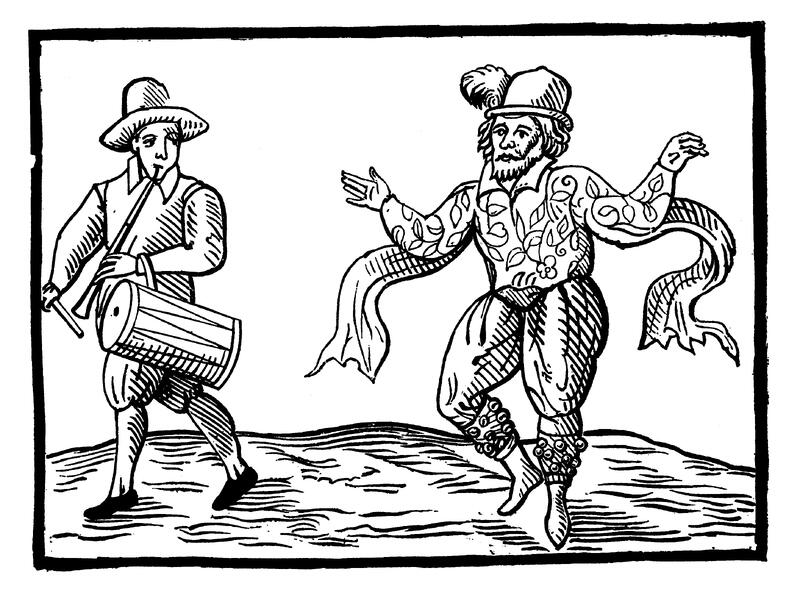
Morris Dancing
The traditional Morris Dance is a festive folk performance in English culture that often includes music and communal celebration. The Book of Sports recognized Morris dancing as a lawful activity that the monarch permitted. The Puritans, however, believed dancing was disorderly, excessive, and inappropriate for a religious setting. Puritans made an exhaustive effort to eliminate Morris dancing and all other forms of dancing from leisure time.
In contrast, Monarchs believed forms of dancing, like Morris dancing, promoted social harmony in the community and enforced cultural recognition. The Monarchs believed that banning cultural expressions like Morris dancing would do nothing but cause more disorder in the community.
The inclusion of Morris dancing demonstrates how The Book of Sports functioned as both a political and cultural tool, and brought together a reformed society that still respected tradition.
Bibliography
Barker, Robert. Book of Sports, 1633. Wikimedia Commons. Accessed April 7, 2026 https://commons.wikimedia.org/wiki/File:Book_of_Sports.jpg.
Buck, Adam. “Archers.” 12 April 1799. Victoria and Albert Museum. Accessed April 8, 2026 https://collections.vam.ac.uk/item/O750334/archers-print-buck-adam/.
Cressy, David. Bonfires and Bells : National Memory and the Protestant Calendar in Elizabethan and Stuart England. The History Press, 2004.
Davis, Natalie Zemon. “The Reasons of Misrule: Youth Groups and Charivaris in Sixteenth–Century France.” Past and Present 50, no. 1: 41–75 (February 1971): 41-75. https://doi.org/10.1093/past/50.1.41.
Hutton, Ronald. The Rise and Fall of Merry England : The Ritual Year, 1400-1700. Oxford University Press, 1994.
Stubbs, Philip. 1583. The Anatomie of Abuses. Early English Books Online. University of Michigan Library Digital Collections. https://quod.lib.umich.edu/e/eebo/A13086.0001.001?view=toc.
Will Kemp Elizabethan Clown, 1600. Wikimedia Commons. Accessed April 8, 2026 https://commons.wikimedia.org/wiki/File:Will_Kemp_Elizabethan_Clown_Jig.jpg.
Early Modern Boxing
Opposing the popular assumption that boxing is a modern American invention, the sport’s newer structure is deeply rooted in the cultural and legal shifts of 18th-century England. While combat sports have ancient global origins, it was the English transition from unregulated fighting to a disciplined and legal commodity that has changed and defined the sport’s modern trajectory. Historians often view this period as a transition from raw fighting to organized sport, but the evolution was driven less by a desire for "fairness" and more by a need for social legitimacy and commercial viability.
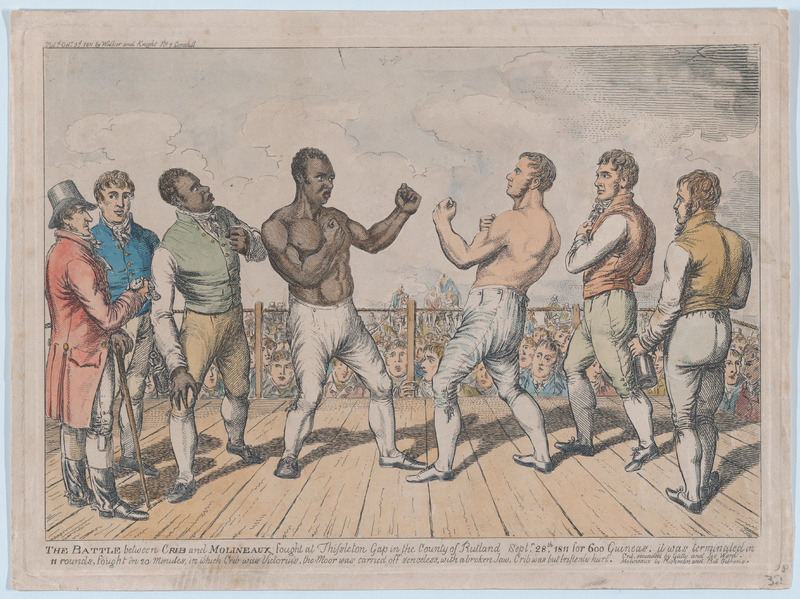
The image of the fight between Cribb and Molineaux also added a new dimension to my understanding. It illustrated how boxing became a stage for national identity, racial tension, and public spectacle. Even though the fight occurred slightly later than the early modern period, its inclusion in the exhibit underscored how the sport quickly became entangled with ideas of Englishness and masculinity. This helps appreciate that boxing’s cultural significance extended far beyond the ring in fact it was a site where social hierarchies and political narratives were performed and contested.